
Why the Material for CNC Machining is more important than what you think
When people think about CNC machining, they often focus on the precision of the machines, the complexity of the design or the quality of the finished component. But, while these are all essential, one of the most important decisions is made long before the first cut is made, selecting the right material.
At Hollingworth Design, material selection is a fundamental part of every project we undertake. Whether we’re producing a one-off prototype or manufacturing precision components for production, choosing the correct material helps ensure the finished part performs exactly as intended while remaining cost-effective to manufacture.
In this guide, we’ll explain why material selection is so important, the factors engineers consider, and how choosing the right material can improve performance, reduce costs and increase the lifespan of your components.
Why Material Selection is Critical in CNC Engineering
Every engineering project has different requirements. A component designed for a food processing machine will require very different properties from one used in motorsport or industrial automation.
The material affects almost every aspect of the finished component, including:
- Strength and durability
- Weight
- Corrosion resistance
- Wear resistance
- Heat tolerance
- Surface finish
- Machinability
- Manufacturing cost
Choosing the wrong material can lead to unnecessary expense, premature failure or longer manufacturing times. Selecting the right material ensures the component performs reliably in its intended environment while keeping production efficient.
What is Machinability?
One of the most overlooked factors in CNC engineering is machinability.
Machinability describes how easily a material can be cut, drilled, milled or turned using CNC machinery. Materials with excellent machinability allow engineers to produce parts more quickly, with greater accuracy and less wear on cutting tools.
Better machinability often means:
- Faster production times
- Improved dimensional accuracy
- Better surface finishes
- Lower tooling costs
- Reduced manufacturing costs
Although some materials naturally machine extremely well, others require specialist tooling, slower cutting speeds and more complex machining strategies.
This is why experienced CNC engineers don’t simply choose the strongest material, instead, they choose the material that provides the best balance between performance, manufacturability and cost.
Common Materials Used in CNC Machining
At Hollingworth Design Company, we regularly machine a wide variety of engineering materials depending on the application.
Aluminium
Aluminium is one of the most popular CNC machining materials thanks to its excellent machinability, lightweight properties and corrosion resistance.
It is commonly used for:
- Automotive components
- Aerospace parts
- Machine housings
- Prototype development
- General engineering applications
Its ability to machine quickly while maintaining tight tolerances makes aluminium an excellent choice for many precision engineering projects.
Stainless Steel
Where strength and corrosion resistance are essential, stainless steel is often the preferred solution.
Stainless steel is widely used in:
- Food processing equipment
- Medical components
- Marine applications
- Industrial machinery
Although more challenging to machine than aluminium, its durability and long service life often justify the additional manufacturing time.
Mild and Carbon Steels
Steel remains one of the most versatile engineering materials available.
It offers:
- High strength
- Excellent wear resistance
- Good value for production quantities
- Reliable performance across many industries
Different grades of steel are selected depending on whether toughness, hardness or ease of machining is the priority.
Engineering Plastics
Not every precision component needs to be metal.
Engineering plastics such as Acetal (POM), Nylon and PTFE offer advantages including:
- Low weight
- Excellent chemical resistance
- Low friction
- Electrical insulation
- Reduced manufacturing costs
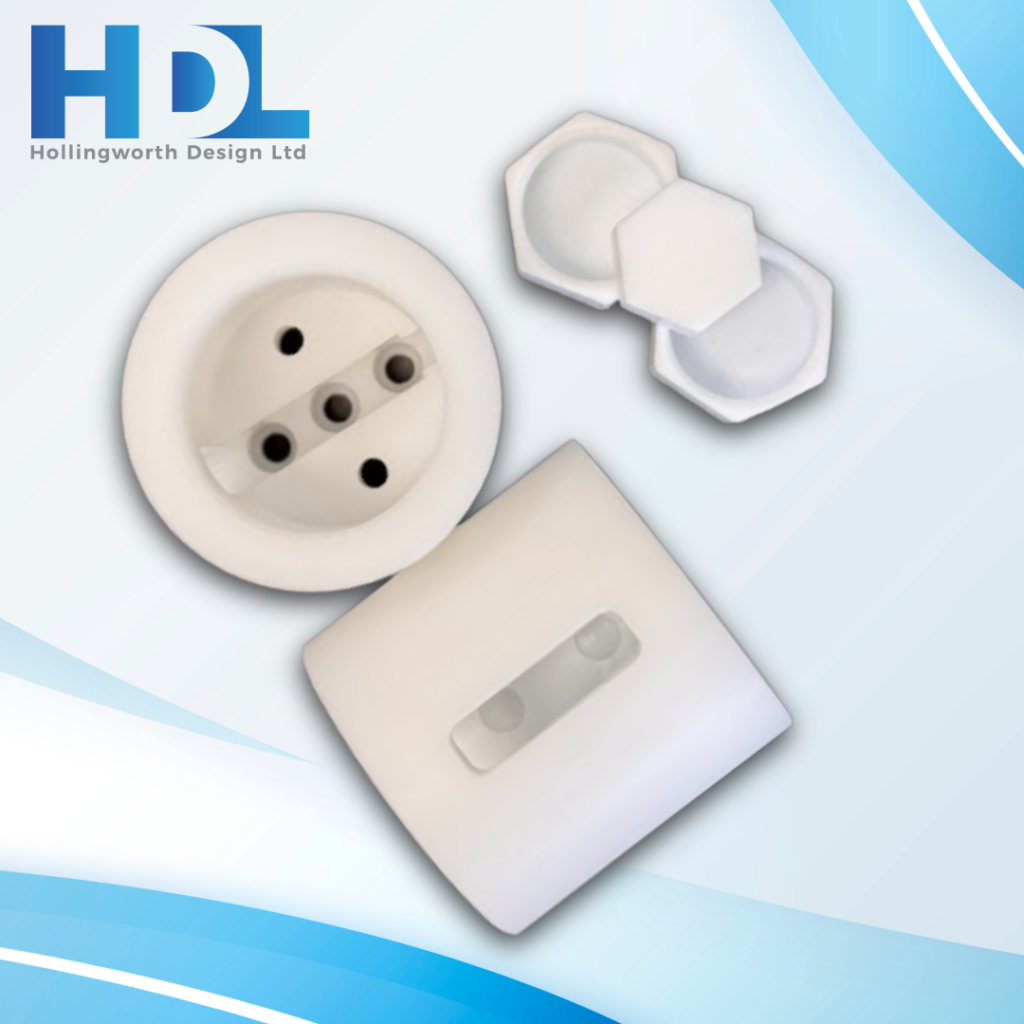
These materials are commonly used for bearings, guides, wear components and specialist industrial applications.
Matching the Material to the Application
One of the biggest mistakes in engineering is selecting materials based solely on strength.
The strongest material isn’t always the best solution.
Instead, experienced engineers ask questions such as:
- Will the component operate outdoors?
- Will it experience high temperatures?
- Does it require food-safe materials?
- Is weight a critical factor?
- Will the part be exposed to chemicals or moisture?
- Does the component require extremely tight tolerances?
- Is this a prototype or a production part?
By understanding how the component will be used, engineers can recommend the material that offers the best balance of performance, longevity and manufacturing efficiency.
Balancing Performance with Cost
Material selection has a direct impact on manufacturing costs.
Some premium materials offer exceptional performance but require significantly longer machining times and specialist tooling.
Others machine quickly, reducing production costs while still meeting the required performance standards.
The goal isn’t always to choose the highest specification material, it’s to choose the material that delivers the required performance without unnecessary expense.
This engineering-led approach helps customers achieve better value while maintaining the quality expected from precision CNC machining.
Surface Finish Starts with Material Choice
The appearance and finish of a machined component is also influenced by the material selected.
Some materials naturally produce smoother finishes and are ideal for anodising, polishing or coating. Others may require additional finishing operations depending on the application’s requirements.
Considering surface finish during the design stage can improve aesthetics, enhance corrosion resistance and reduce overall production time.
Why Expert Advice Makes the Difference
Material selection isn’t simply about reading a specification sheet.
It requires an understanding of engineering design, manufacturing processes, machining characteristics and the real-world operating conditions of each component.
At Hollingworth Design Company, we work closely with our customers to recommend materials that deliver the right combination of performance, reliability and manufacturing efficiency.
Whether you’re developing a new product, refining an existing design or looking to reduce production costs, selecting the right material is one of the most valuable decisions you can make.
Looking for Advice on CNC Machining Materials?
If you’re unsure which material is best suited to your project, our experienced engineering team is here to help.
From aluminium and stainless steel to specialist engineering plastics and high-performance alloys, we can guide you through the options and recommend the most suitable material based on your design, application and budget.
Choosing the right material helps deliver better performance, improved reliability and more efficient manufacturing, ensuring your components are built to perform from the very first production run.
Contact Us for more information, tell us about your next project!